From Grape to Glass: How Biodiversity Shapes Moldovan Wine

As I prepare to present my research at the upcoming International Wine Congress in Chisinau this June, I'm reflecting on the profound relationship between biodiversity and the future of Moldovan winemaking. My work with Azaka SRL has revealed fascinating insights into how ecological approaches might be our best defense against climate disruption in Moldova's vineyards.
Moldova's Changing Wine Landscape
Moldova's winemaking tradition stretches back over 5,000 years, with our unique terroir producing wines of remarkable character. However, this heritage faces unprecedented challenges. Rising temperatures are altering traditional ripening patterns, affecting sugar levels, acidity, and ultimately wine quality and style. What once made Moldovan wine distinctive is now under threat.
Yet among these challenges, I see tremendous opportunities for innovation rooted in our traditional wisdom.

Indigenous Varieties: Nature's Climate Solution
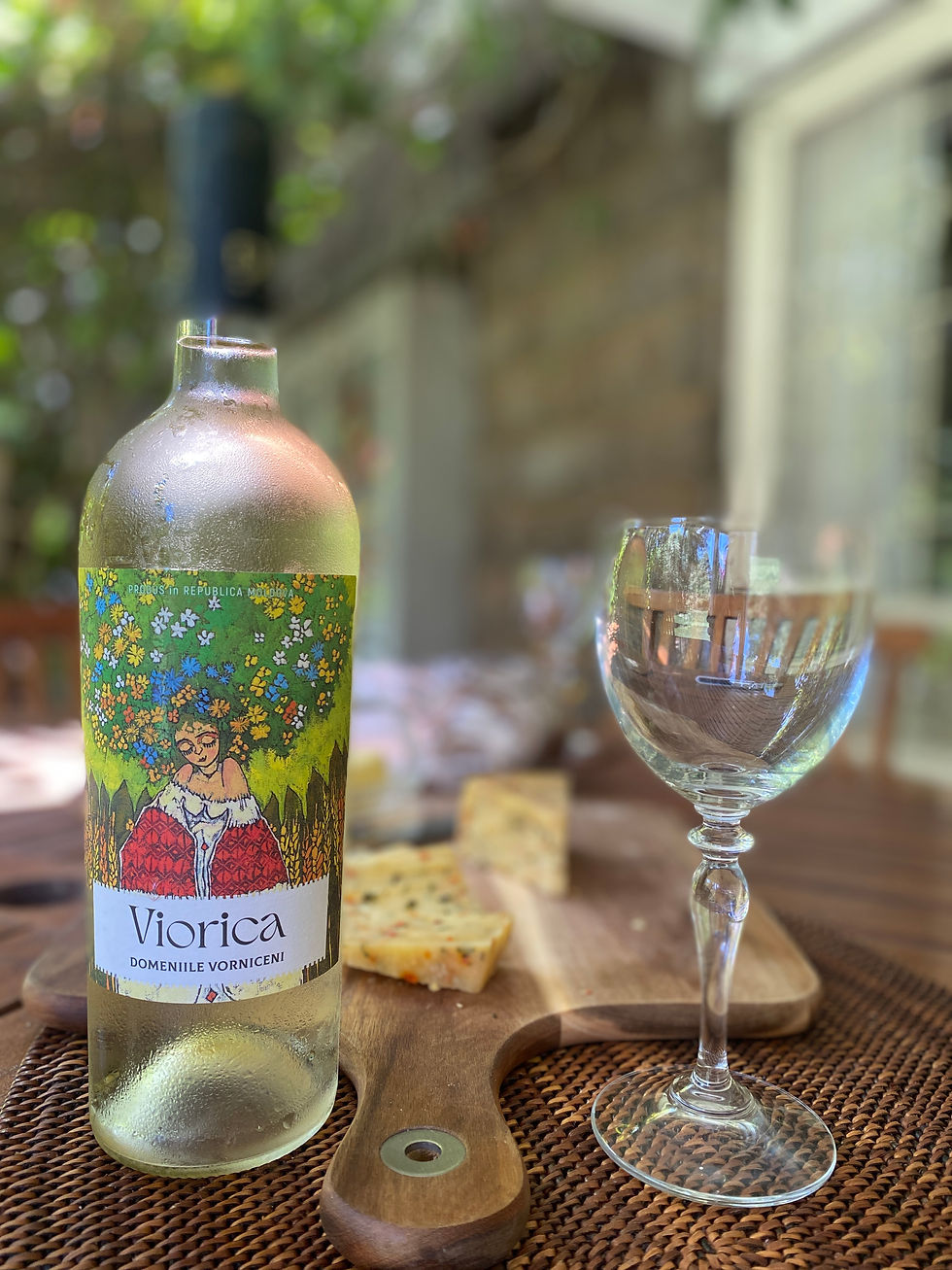
My research has increasingly focused on Moldova's indigenous grape varieties, which represent not just our cultural heritage but a natural adaptation strategy. Local varieties like Viorica, Fetească Neagră, Rară Neagră, and Fetească Albă have co-evolved with our local conditions for centuries, developing natural resilience to local stresses.
These indigenous varieties typically display:
Greater drought tolerance
Better disease resistance
Adaptability to local soil conditions
Unique flavor profiles that express our terroir authentically
Biodiversity Beyond the Vine
The most exciting findings in my research concern the broader vineyard ecosystem. Forward-thinking Moldovan producers are embracing biodiversity as a comprehensive strategy:
Cover cropping: Introducing diverse plant species between rows creates habitat for beneficial insects, improves soil structure, and enhances water retention.
Beneficial insects: Natural predators like ladybugs and lacewings provide natural pest control services, reducing the need for chemical interventions.
Hedgerows and wildlife corridors: These features create connectivity across the landscape, supporting birds and other wildlife that contribute to pest management and overall ecosystem health.
Together, these practices create what ecologists call "ecosystem services" – the natural benefits provided by healthy ecosystems – that directly improve wine quality while building climate resilience.
Carbon Sequestration: A Hidden Benefit
Perhaps most promising is how biodiverse vineyards contribute to climate mitigation through carbon sequestration. Enhanced soil biology from cover cropping and reduced tillage helps draw carbon from the atmosphere into the soil, where it improves structure and fertility. One producer I've studied has measured a 22% increase in soil organic matter over five years using these techniques.
The Road Ahead
As I finalize my presentation for the Congress, I'm seeking to connect with more Moldovan producers implementing biodiversity-friendly practices. These conversations will enrich my research and help build a network of knowledge-sharing that strengthens our industry's resilience.
The future of Moldovan wine depends on our ability to work with nature rather than against it. By embracing biodiversity – from indigenous grape varieties to comprehensive ecosystem management – we create wines that are not only expressive of our unique terroir but sustainable for generations to come.
I look forward to sharing more insights from the International Wine Congress in June. Until then, I welcome your thoughts and experiences with biodiversity in viticulture.


Comments